
Blog · September 15, 2026
What Do Landscapers Do in the Winter?
What do landscapers do in the winter? Learn how landscaping companies stay busy during the off-season with snow removal, holiday lights, gutter cleaning, pruning, hardscaping, and other winter services.
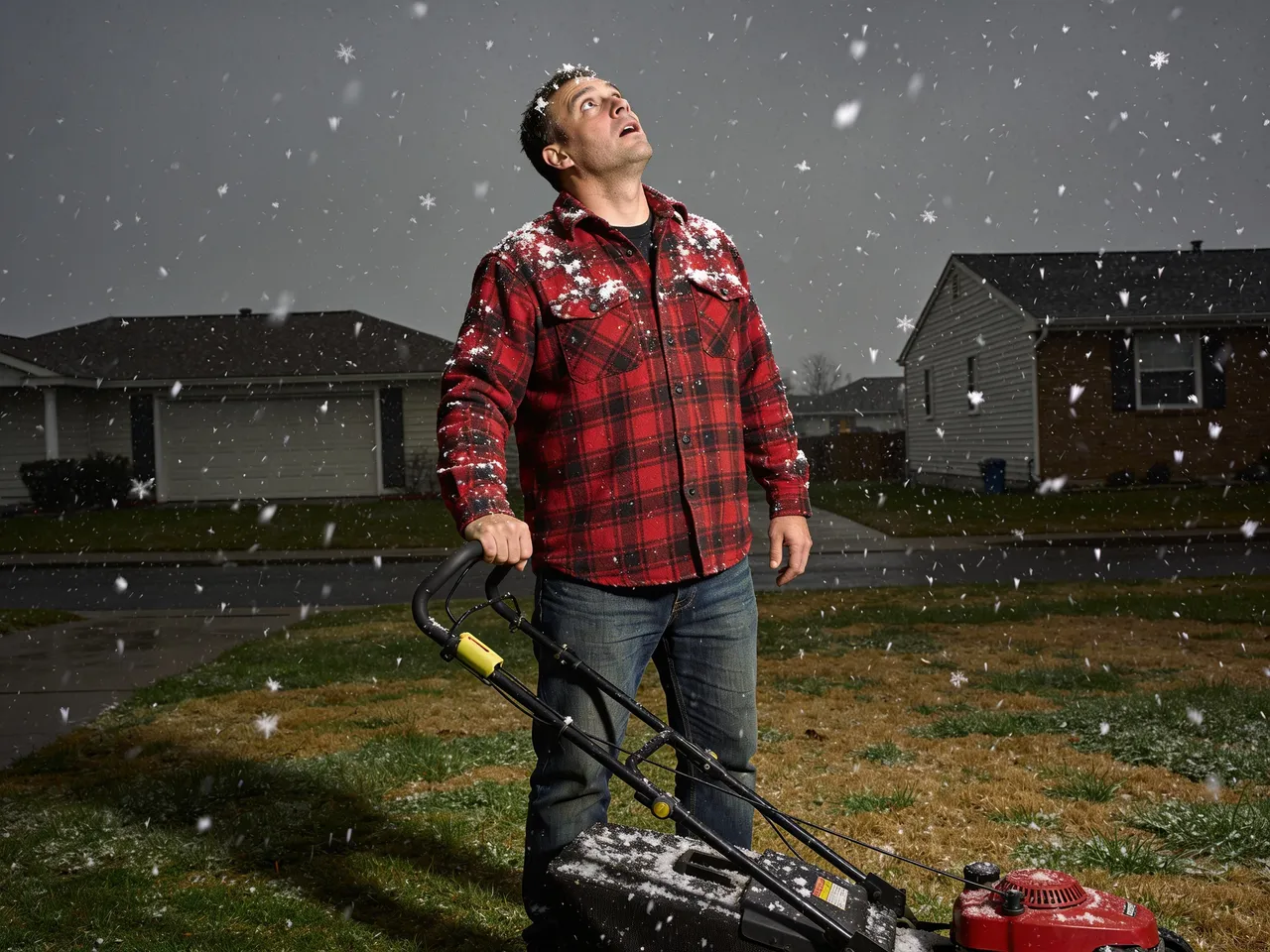
When the grass stops growing and the mowing season comes to an end, what do landscapers do in the winter?
For landscaping companies in colder parts of North America, winter can mean a complete change in the type of work they take on. Instead of mowing lawns and maintaining gardens, many crews move into snow removal, salting, ice management, holiday light installation and other seasonal services. Companies in warmer climates often have a very different winter, with opportunities for pruning, gutter cleaning, pressure washing, overseeding, hardscaping and other outdoor projects.
There is no single answer to what landscapers do in the winter. The best winter services depend on where the business operates, what equipment it already owns and what its existing customers are likely to need. A landscaping company in Ontario may spend January pushing snow, while a company in Texas can be busy working on lawns and outdoor construction projects.
For many landscaping businesses, however, winter means changing what they sell.
What do landscapers do in the winter?
Landscapers typically use the winter months to replace seasonal mowing and maintenance work with services that are better suited to the weather. In northern areas, snow and ice removal can become the main source of winter revenue. Holiday lighting, fall cleanups and other property services can also extend the season.
In southern states and other warmer regions, landscaping work can continue throughout much of the winter. Crews may stay busy with pruning, lawn treatments, leaf removal, pressure washing, gutter cleaning and landscape construction. Some businesses also use the slower months to complete larger hardscaping projects that would be difficult to schedule during the busy spring and summer season.
Winter is also an important planning period. Landscaping companies can use the slower months to maintain equipment, prepare estimates, follow up with customers and sell work for the coming spring. In other words, even when there are fewer lawns to mow, there are still plenty of ways to keep a landscaping business productive.
Winter work in the North versus the South
The dividing line is snow that stays on the ground. Where winters bring regular plowable storms, snow and ice removal can replace a large share of a company’s summer revenue. Where a snowfall melts within a day or two, plowing is too unpredictable to build a season around, and the work shifts toward cleanup, exterior cleaning, and projects that are easier to schedule when lawns aren’t growing.
Plenty of companies sit in between. A landscaper in Kentucky or northern Georgia may get two or three snow days a year, which is enough to justify a plow on one truck but not enough to carry the business. Those companies usually combine a small amount of snow work with the cleanup and project services that southern companies rely on.
| Service | North | Transition zone | South |
|---|---|---|---|
| Snow plowing and salting | Primary winter income | Occasional | Rare |
| Holiday light installation | Nov–Jan | Nov–Jan | Nov–Jan |
| Gutter cleaning and leaf removal | Oct–Dec | Oct–Jan | Nov–Feb |
| Pressure washing | Limited by freezing temperatures | Mild days | Most of the winter |
| Dormant pruning and tree work | Late winter | Winter | Winter |
| Overseeding and pre-emergent | — | Fall and late winter | Fall and late winter |
| Hardscaping and installs | Weather-dependent | Most of the winter | Most of the winter |
Winter landscaping in the North
For landscapers in Canada, the northern United States and other areas with regular snowfall, winter usually means a shift from lawn care to snow and ice management.
Snow removal is often the most obvious opportunity. A company that already owns trucks, trailers and equipment can potentially add plowing and snow clearing without completely changing its business model. Depending on the property and the type of contract, that can mean clearing residential driveways after a snowfall, maintaining commercial parking lots or providing ongoing service throughout the winter.
Snow work also changes the economics of a landscaping business. Instead of having a predictable weekly mowing schedule, demand is driven by weather. A major storm can create a large amount of work in a short period, while a mild winter can leave equipment and crews underused. Successful operators therefore tend to think carefully about route density, equipment costs, response times and the number of customers they can realistically service during a storm.
Snow plowing and snow removal
Residential snow removal is commonly priced either per visit or through a seasonal arrangement. Published 2026 pricing guides put typical residential pricing at roughly $50 to $150 per push (InvoiceFly), with seasonal contracts commonly falling in the $350 to $700 range. Commercial work can be considerably larger, with individual visits ranging from roughly $100 to $400 and seasonal contracts reaching several thousand dollars depending on the property.
Those numbers are useful as general benchmarks, but local conditions matter much more than a national average. A short residential driveway in one market may take only a few minutes to clear, while a large property with long walkways, multiple entrances and difficult access can require substantially more time. Snow depth, frequency of storms, travel distance and whether salting is included can all change what a profitable price looks like.
For that reason, landscapers adding snow removal should calculate their actual costs rather than simply copying a competitor’s price. Fuel, labour, equipment, insurance, maintenance and the time spent travelling between properties all have to be accounted for.
Salting and ice management
Snow is only part of the winter problem. Ice can create liability concerns for both residential and commercial property owners, which makes salting and ice management an important additional service.
Some landscaping companies bundle salting into their snow-removal contracts, while others charge separately based on the property or the amount of material used. The right approach depends on the type of customer and the company’s costs, but the important thing is to make the scope of the service clear before winter begins.
Commercial customers in particular may want a defined response process. They need to know when a contractor will arrive, what areas will be treated and whether additional visits or applications are charged separately.
Sidewalk and walkway clearing
Snow removal isn’t limited to parking lots and driveways. Sidewalks, entrances, stairs and walkways can require significant manual work, particularly on commercial properties.
For landscaping businesses that already have crews available, this can be a useful complement to mechanical snow removal. A truck or plow can clear the main area quickly, while workers handle the sections that equipment cannot easily reach.
The work can be labour intensive, though, so include it in the quote instead of leaving it as a small add-on to sort out later.
Holiday light installation
Holiday lighting is another way landscaping companies extend their season, particularly in markets where there is strong demand for professional installation.
The appeal for a landscaping company is fairly straightforward. The same customers who pay someone to maintain their property during the warmer months may also be willing to pay for outdoor holiday decorating. The business already has crews that are accustomed to working outside, visiting residential properties and maintaining a professional appearance at customers’ homes.
The work can involve much more than simply putting up lights. Installation, removal, storage and maintenance can all be part of the service, and some companies sell the lighting itself as part of the package. Published pricing guides give a general installation range of approximately $2.50 to $7 per linear foot, although actual pricing varies considerably depending on the property and scope of work.
For a landscaping company considering holiday lighting, the bigger question is whether the service fits its existing customer base. A company with hundreds of residential maintenance customers already has a potential audience for the service, which can make selling it considerably easier than starting from scratch.
Leaf removal and fall cleanups
Fall cleanup can carry a landscaping business into the early winter, particularly in areas where leaves remain on properties well after the regular mowing season has ended.
For homeowners, leaf removal is often a job they would rather pay someone else to handle. Landscapers can use existing crews and equipment to remove leaves from lawns, gardens and other areas of a property before winter fully sets in.
The timing can also work in a landscaper’s favour. Rather than treating fall cleanup as the final job of the year, companies can use it as an opportunity to introduce customers to other seasonal services. A homeowner who already trusts a company with their lawn may be a natural customer for snow removal, gutter cleaning or spring cleanup.
Gutter cleaning
Gutter cleaning is another service that can fit naturally into the transition between fall and winter.
Trees dropping leaves throughout the fall can leave gutters full of debris just as homeowners are preparing their properties for winter. For a landscaping company, gutter cleaning can be relatively easy to explain and sell to an existing residential customer base.
There are safety considerations, particularly when working from ladders or around multi-storey homes, so businesses need to consider whether the service fits their equipment, insurance and employees. It also makes sense to be clear about what is included in the price, especially when customers have unusually high roofs or heavily obstructed gutters.
Pressure washing
Pressure washing can provide another source of revenue during the colder months in regions where temperatures allow outdoor work to continue.
Driveways, patios, walkways, siding and other exterior surfaces can accumulate dirt and grime throughout the year. Some customers may also want outdoor areas cleaned before holiday gatherings or before preparing a property for sale.
The opportunity is particularly relevant to landscaping businesses that already offer multiple property-maintenance services. A customer may not think of their landscaper when they need pressure washing, but if the company already handles their lawn, garden and seasonal cleanup, adding another exterior property service can be an easy proposition.
Pruning trees and shrubs
Winter can also be a good time for certain types of pruning because many plants are dormant.
The exact timing depends on the plant species and local climate, so pruning should not simply be treated as a generic winter service. However, dormant-season pruning can be an important part of maintaining trees and shrubs and can be easier to schedule when landscaping crews are less occupied with regular maintenance.
For companies with the appropriate skills and equipment, winter can therefore be a useful period for tree and shrub work that might otherwise compete with mowing and landscape-maintenance schedules during the warmer months.
What do landscapers do in the South during winter?
Landscaping businesses in southern states have a very different answer to the question “what do landscapers do in the winter?”
In many southern markets, winter does not bring a complete shutdown of outdoor work. Grass may grow more slowly, but customers still need their properties maintained. This gives landscaping companies the opportunity to continue offering services rather than relying entirely on snow-related work.
Winter can actually be a good time for certain projects because temperatures are more comfortable for outdoor crews and there may be fewer competing maintenance jobs on the schedule. Companies can use the season to take on larger projects that would be difficult to fit into a busy spring or summer calendar.
Winter lawn care
In warmer climates, lawn care can continue through much of the winter, although the type and frequency of service may change.
Depending on the region and grass type, landscapers may provide overseeding, fertilization, weed control and other treatments designed around the winter growing season. The goal is often to prepare the lawn to perform well when temperatures rise again.
This is one area where local knowledge matters. What works for a lawn in Georgia may not make sense in Texas, Arizona or California, so winter lawn services should be built around the climate and grass varieties in the company’s market.
Design work, hardscaping, and selling next season
Winter is when many landscapers do the work that fills the next season. Design consultations, estimates for spring installs, and renewal letters for maintenance contracts all take time that isn’t available in June. Customers are planning their spring projects over the winter, and the companies that send prices and booking links in January and February are in front of them first.
Hardscaping continues through the winter in the South and in mild stretches farther north. Patios, retaining walls, walkways, and outdoor kitchens don’t depend on active growth, so crews can keep installing whenever the ground isn’t frozen or saturated. For northern companies, winter is often the time to sell these projects and schedule them for early spring.
The quiet weeks are also the time to service equipment. Mowers, trimmers, and blowers get new blades, filters, and oil changes, and trucks and trailers get repairs that would cost a crew day during the season. Some owners use the slower months to train staff, rebuild their pricing, and update their websites before spring demand returns.
What do landscapers do when the weather is too bad to work?
Not every winter day is productive in the traditional sense. Heavy snow, extreme cold, rain or unsafe conditions can prevent landscapers from completing outdoor work.
That does not necessarily mean the day has to be wasted. Winter downtime can be used for equipment maintenance, vehicle servicing, inventory checks, estimating, scheduling and preparing for the next season.
Equipment maintenance is particularly important for landscaping companies. Mowers, trimmers, blowers, trailers and other equipment that gets heavily used during the warmer months can be inspected and repaired before the next busy season begins. Taking care of these jobs during the winter can reduce the chance of losing valuable work time to equipment failures in the spring.
Choosing which winter services to offer
Start with services that use equipment you already own and sell to customers you already have. A company with trucks and a large residential mowing route has a head start on snow removal in the North. A company with ladders, a small crew, and a list of homeowners in the South can add gutter cleaning, pressure washing, and holiday lighting with very little new equipment.
Cash flow deserves a close look before you commit. Snow equipment and bulk salt cost money up front, and a light winter can delay the return. Holiday lighting requires buying lights before the first install, although leased lights pay back over several seasons. Gutter cleaning and pressure washing carry lower startup costs, which is why they are common first winter services for smaller companies.
It also helps to start with your current customers. Sending your mowing customers a price list for fall cleanup, gutters, lighting, or plowing in September puts the offer in front of people who already know your crew. A customer who can see the price and pick a date without calling you is also more likely to book during a season when you’re busy on other jobs.
How do landscapers make money in winter?
Landscapers make money in winter by adapting their service mix to the conditions in their market.
In cold climates, snow removal, plowing, salting and ice management can become the primary revenue sources. Holiday lighting and fall cleanup can provide additional work around the edges of the season. In warmer climates, companies can continue with modified lawn care while taking on pruning, pressure washing, gutter cleaning and construction projects.
The companies that handle winter well generally don’t think of it as an entirely separate business. They look for services that can be sold to the same customers, completed by the same crews or supported by equipment they already own.
That is often the simplest way to turn an off-season into another revenue-producing season.
Common questions about winter landscaping work
Do landscapers work in the winter?
Many do, and the work changes with the season. Northern landscapers usually move into snow plowing, salting, and holiday lighting. Southern landscapers usually shift to gutter cleaning, pressure washing, pruning, overseeding, and hardscape projects, and some take time off or focus on selling spring contracts.
What can landscapers do in the South when there is no snow?
Southern companies commonly offer leaf removal, gutter cleaning, pressure washing, holiday light installation, dormant pruning, and ryegrass overseeding. Late winter brings pre-emergent herbicide applications, which require a state applicator license. Hardscape installs and design work also continue through most southern winters.
Is snow removal profitable for a landscaping company?
Snow removal can replace a large share of summer revenue for northern companies, especially with commercial accounts and salting. Income depends on snowfall, so seasonal contracts are the most common way to make revenue predictable. Liability for slip-and-fall claims is the other factor to plan for, so check your insurance before signing commercial properties.
How much do landscapers charge for gutter cleaning?
National 2026 pricing averages $360 per appointment, with a typical range of $191 to $529. One-story homes usually cost $145 to $250, and two-story homes cost $180 to $360. Many companies sell gutter cleaning as an add-on to fall leaf cleanup.
When should a landscaping company start selling winter services?
September is the time to start for most winter work. Residential snow contracts are signed from September through November, and holiday lighting customers often book in September and October. Sending prices to existing customers early fills the schedule before the first storm or the Thanksgiving rush.
Booking winter work before it arrives
Customers start looking for winter services in September, so seasonal prices need to be posted before then. Sorvius lets you list each winter service at your own price, such as snow plowing by driveway size, gutter cleaning, or light installation, so customers can see the cost, pick a date, and save a card on file from your website or a link you send them. See pricing or try the demo.